


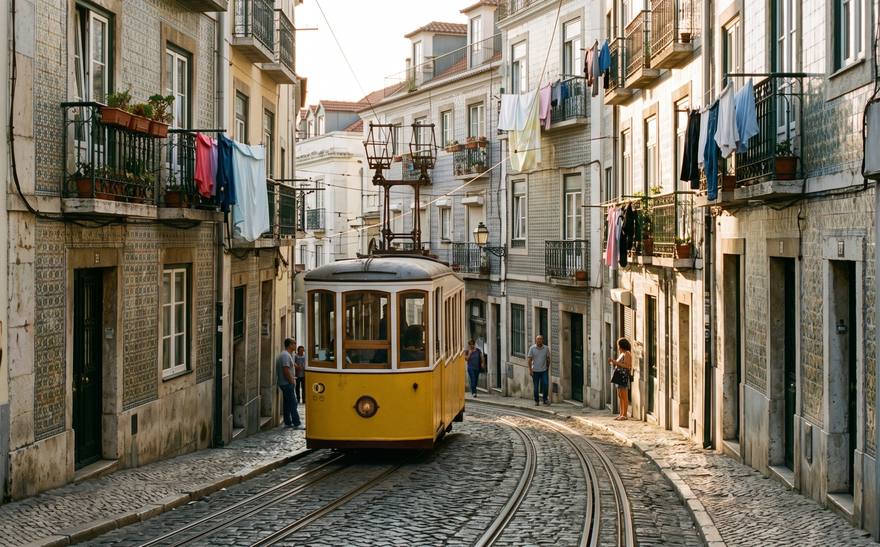
The 28 tram was pulling away as I reached the stop. For once, I let it go — and the afternoon got better for it.
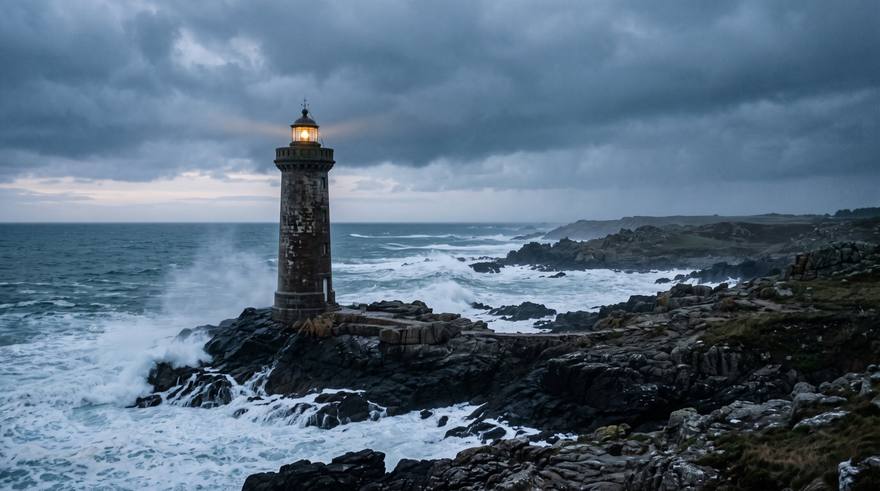
Yann has watched the same stretch of Atlantic for thirty years. The light went automatic long ago. He stayed anyway.
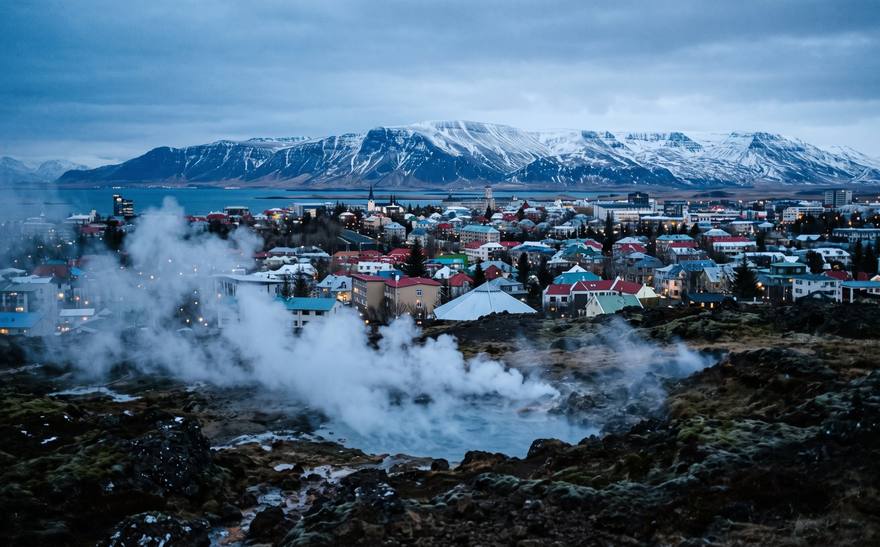
A country of 390,000 people heats nearly every home from the ground beneath it. Here's what that feels like — and what it quietly teaches the rest of us.
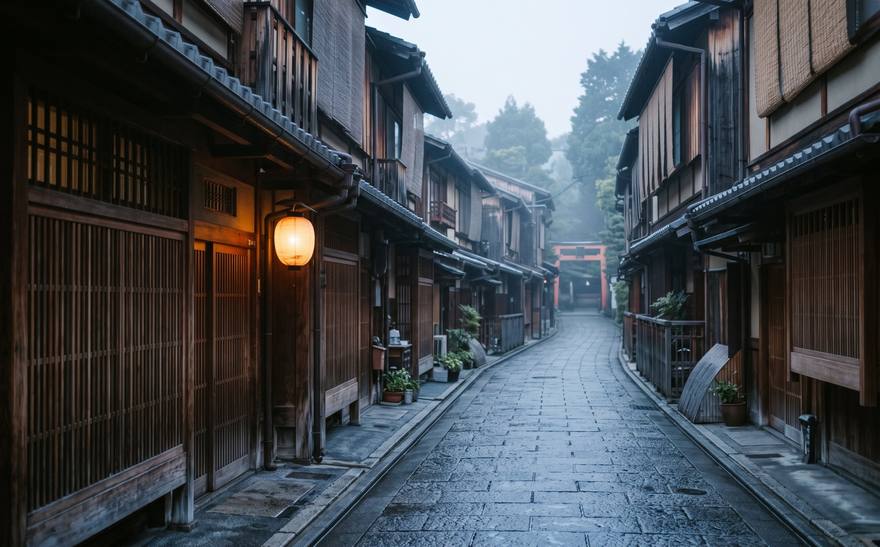
A thousand shrines, ten million visitors, and a simple trick for seeing the best of the old capital without queuing for any of it: be early, or be elsewhere.
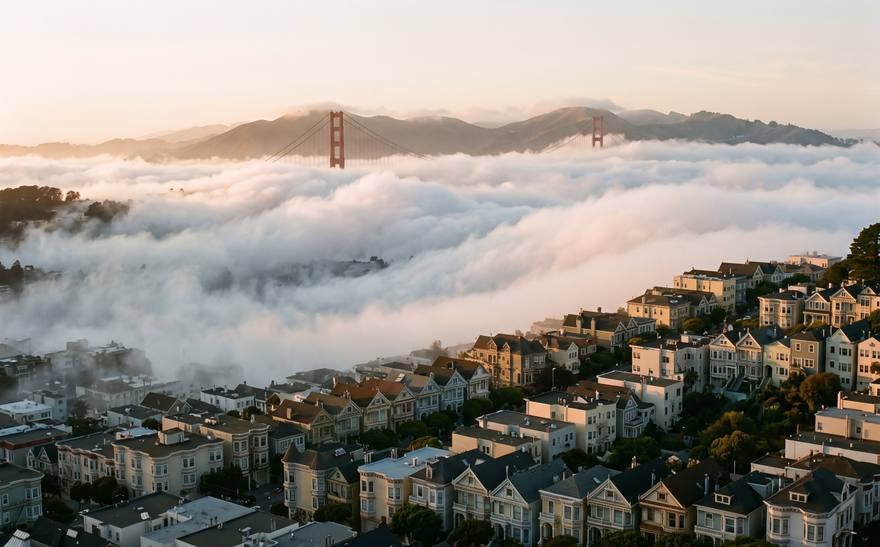
Locals have a name for the fog that pours over the hills most afternoons — Karl — and planning around him is the first thing you learn here.
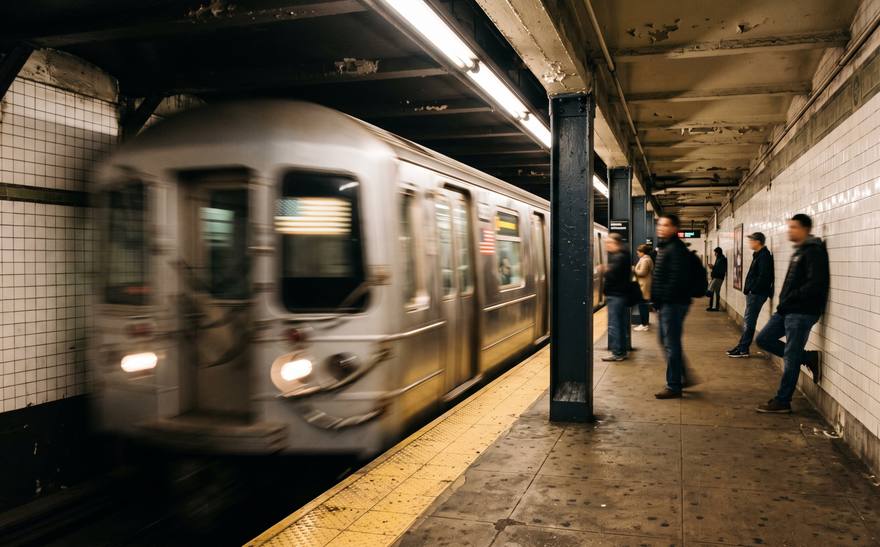
The fastest, cheapest and most honest way to understand New York is the one most visitors avoid: go underground.
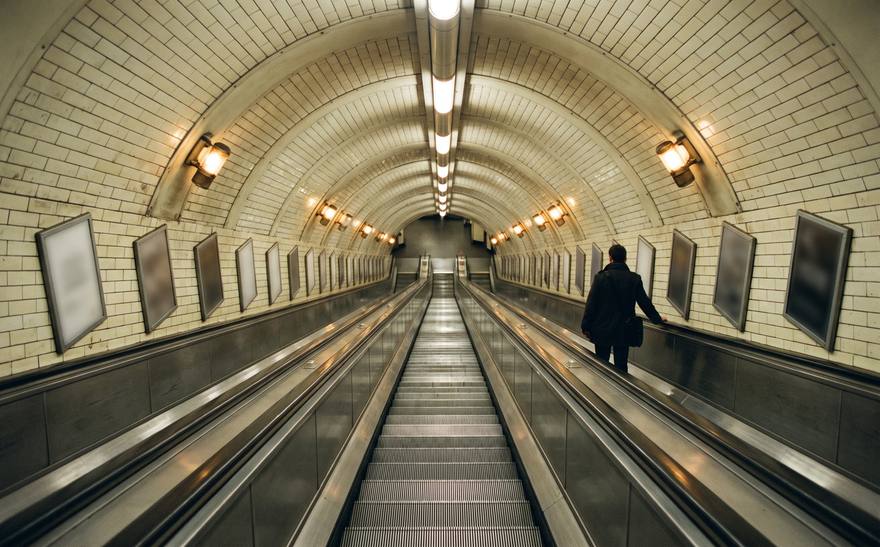
Every city has unwritten rules. London's are mostly about queuing, apologising, and — above all — which side of the escalator you stand on.
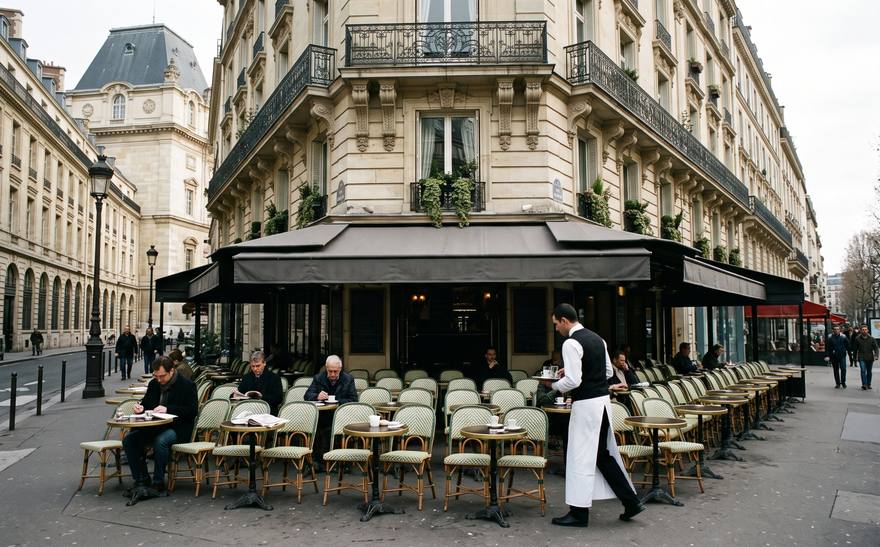
Travelers love to call Parisians rude. Usually they just skipped a word the whole city runs on.
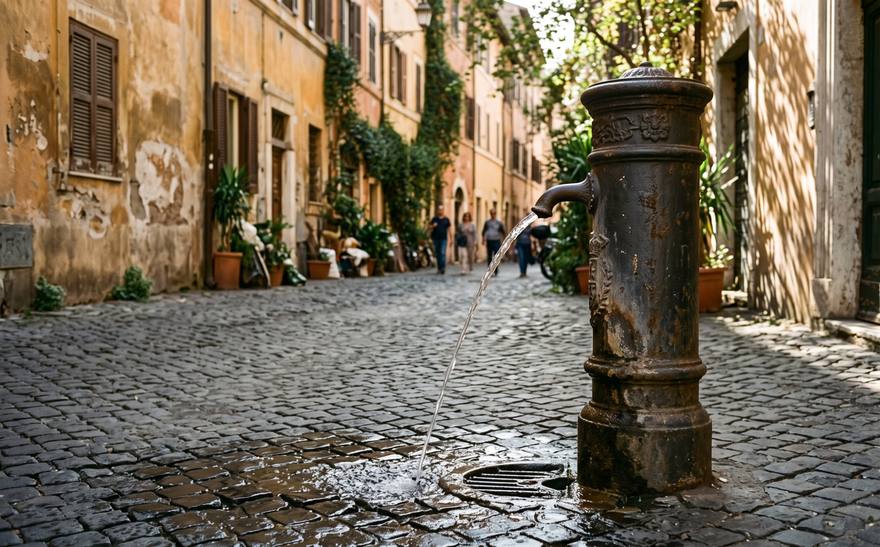
All over Rome, cast-iron fountains pour cold, drinkable water day and night — fed, in part, by aqueducts the emperors built.
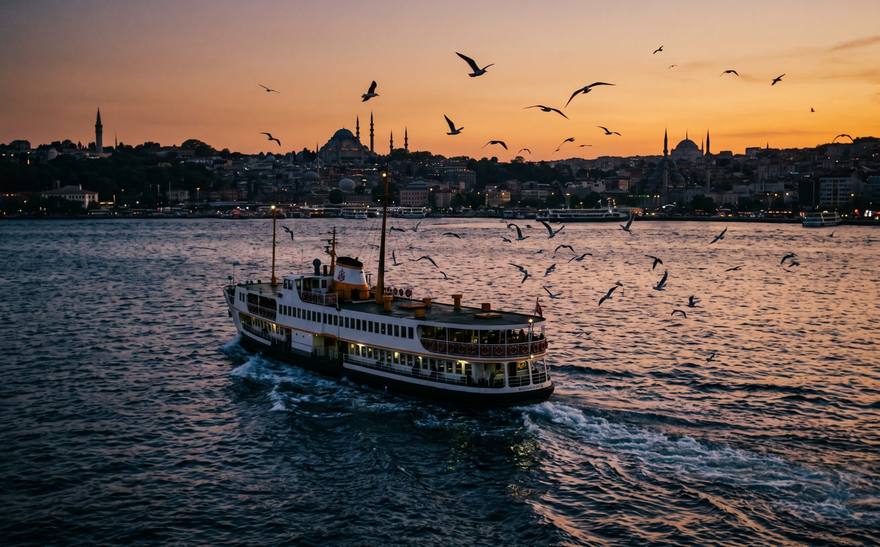
In Istanbul the morning commute can take you from Europe to Asia and back — by ferry, under circling gulls, for the price of a bus ticket.
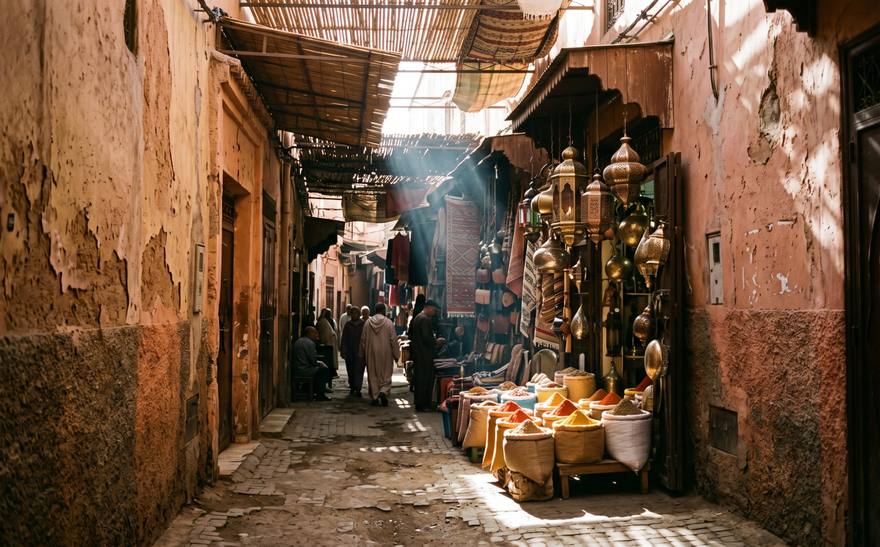
The medina is a maze by design. Getting lost in it is part of the fun — right up until a stranger offers to help you find your way.
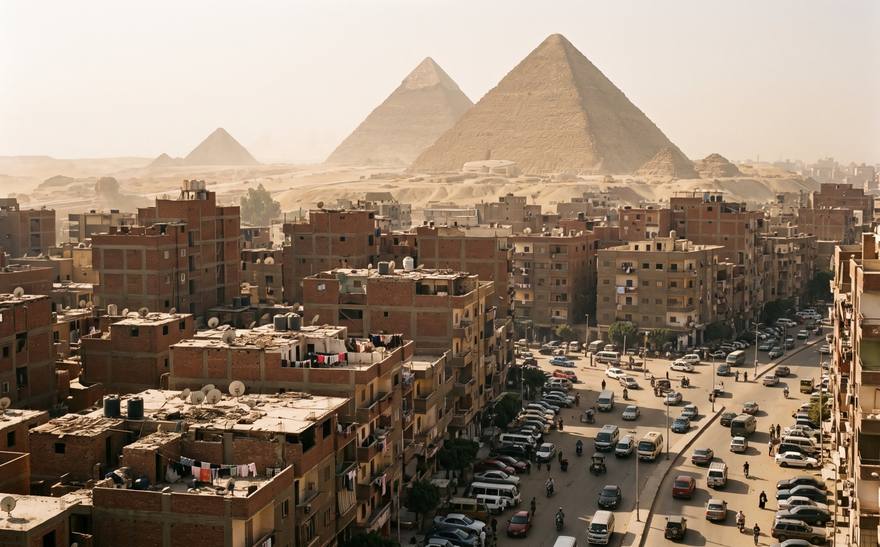
The pyramids are not out in some distant desert. They sit at the edge of a living city of twenty million, with traffic and a pizza sign in view.
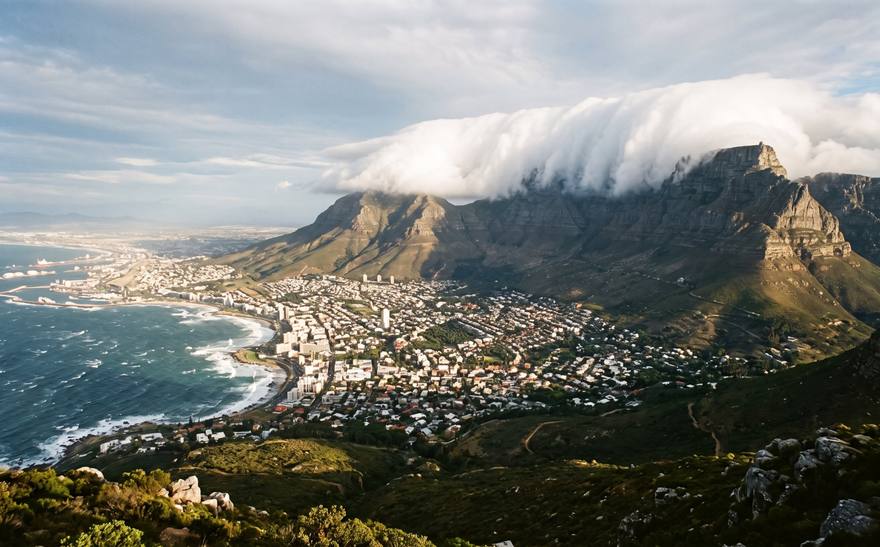
You can plan a day in Cape Town however you like, but Table Mountain and the wind that wraps it get the final say.
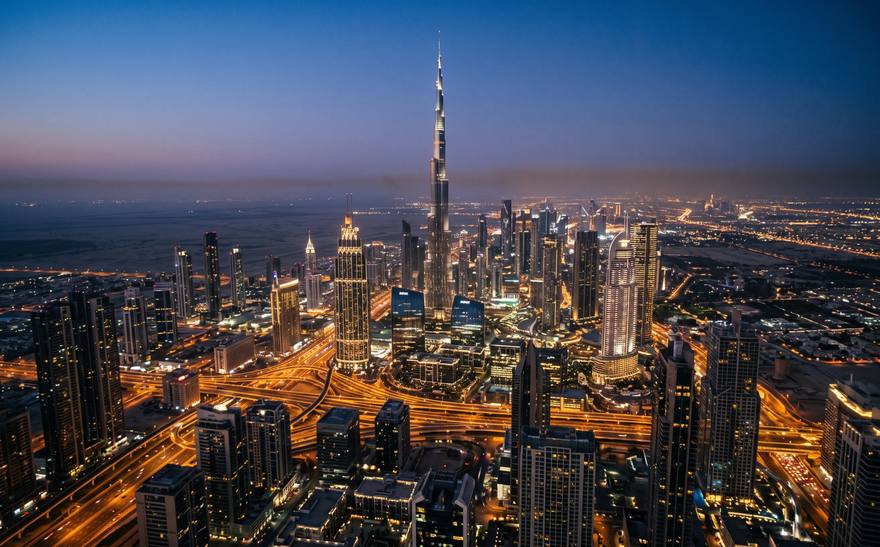
Half a century ago this was a trading town on the edge of the desert. The skyline you see now was built, quite deliberately, to astonish.
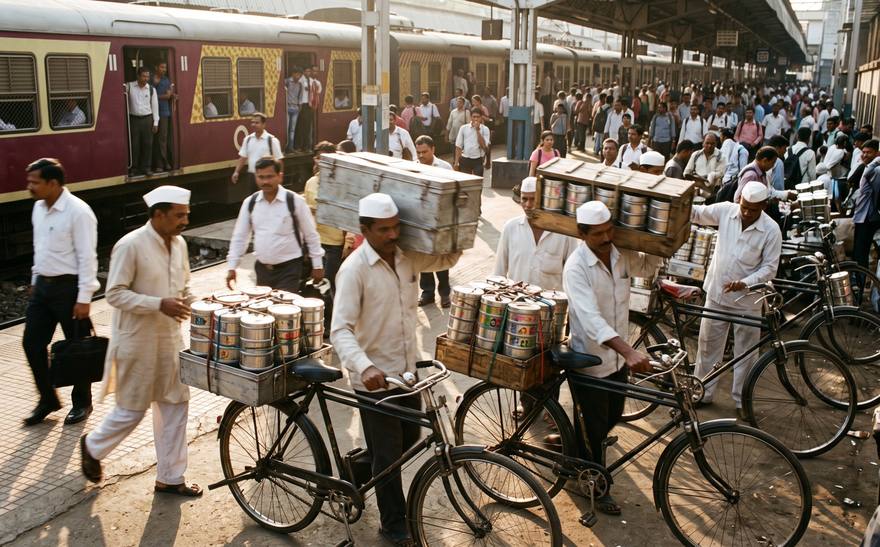
Every weekday, thousands of home-cooked lunches cross Mumbai and reach the right desk, almost never going astray — carried by hand.
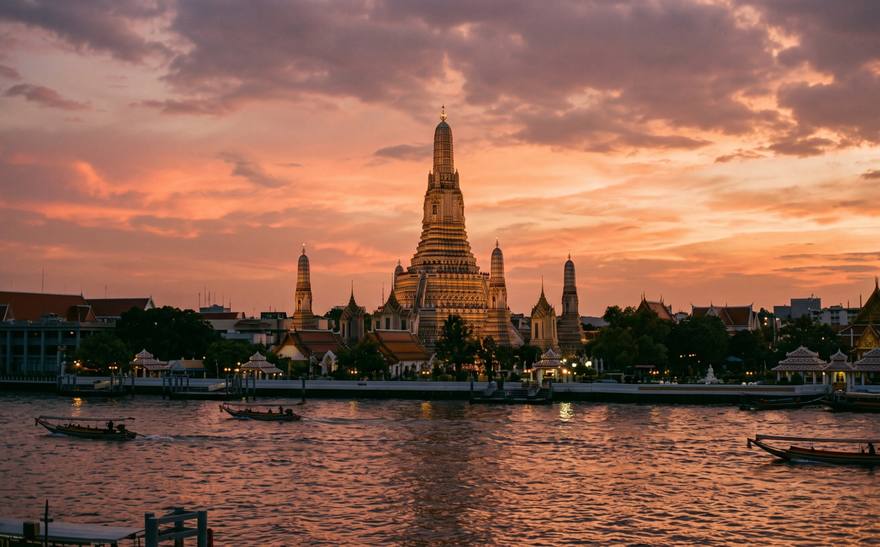
Bangkok's temples are free, dazzling, and strict about one thing: what you wear through the gate.
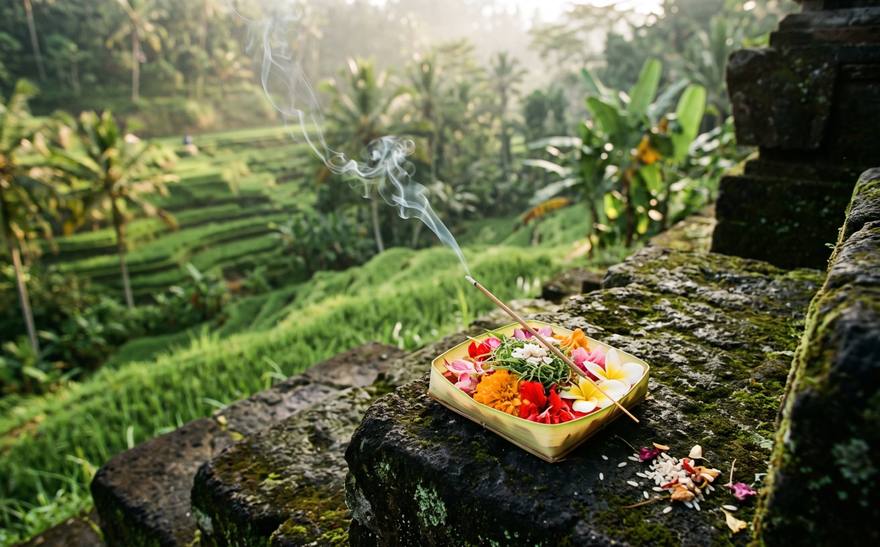
Bali has spent decades offering itself to the world — surfers, honeymooners, yogis, laptop nomads — and remains stubbornly, deeply itself.
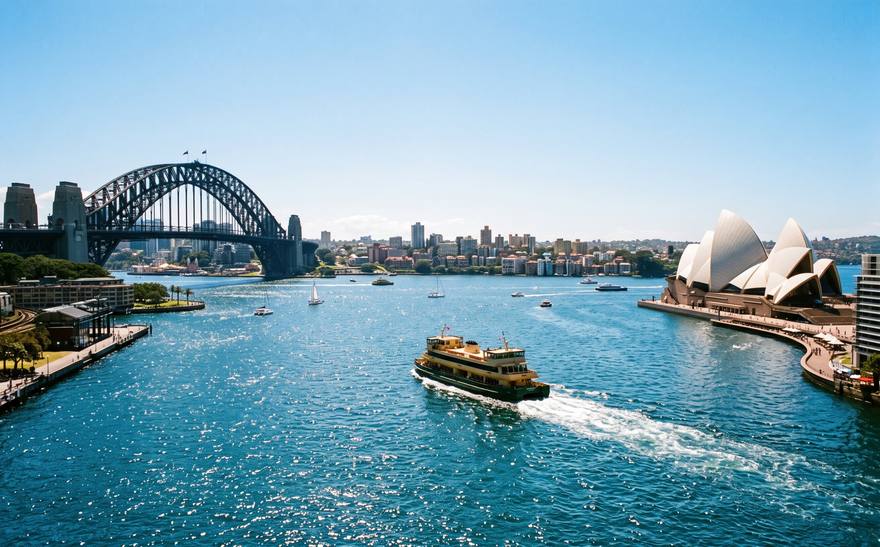
Sydney lives outdoors — harbour, beaches, endless sun. The catch is that the sun here is genuinely dangerous.
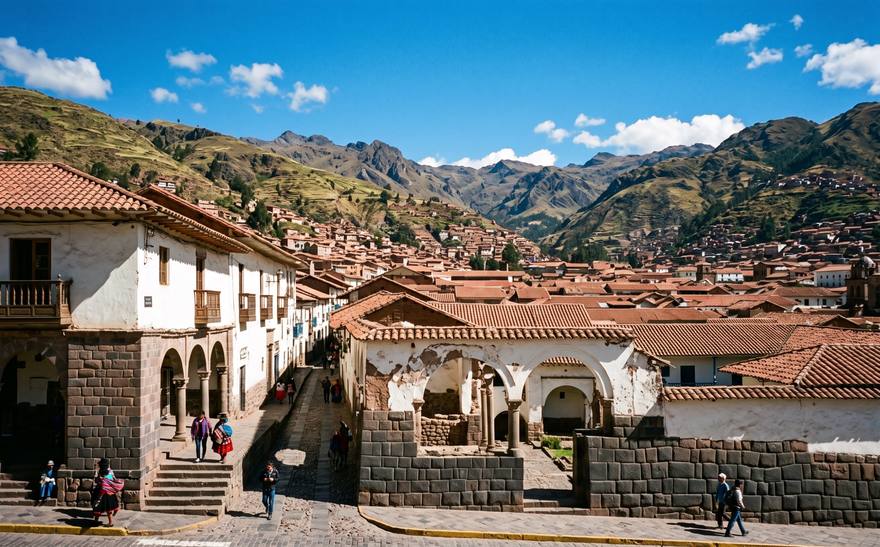
Cusco sits at 3,400 metres, and the altitude is not a detail to power through. Plan for it and the old Inca capital opens up.
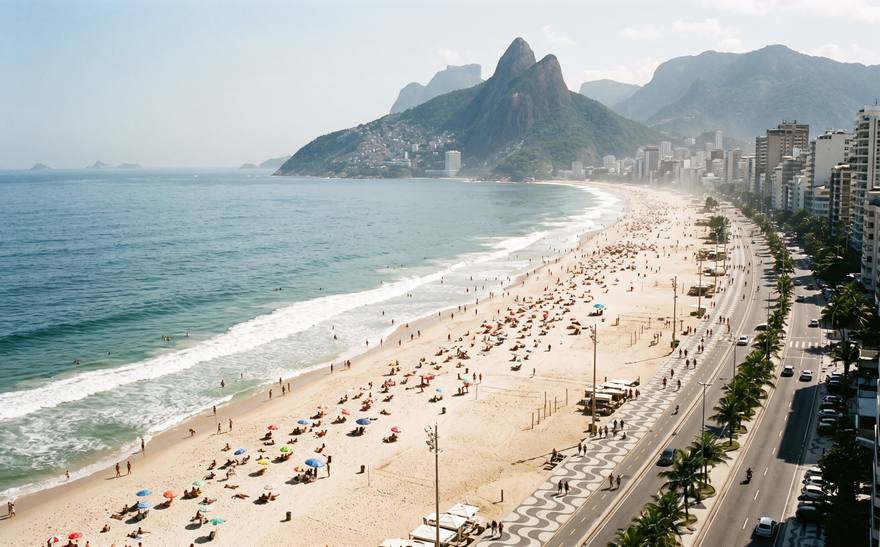
Rio happens outdoors — on the sand, in the water, along the promenade. Which is exactly why you should leave most of your valuables behind.